Why Cannabis Terpene Sauce Is Changing How We Dab
If you have been around the concentrate scene for a while, you have probably noticed something shifting under your nose. The old days of chasing the highest THC percentage are fading. More and more people are talking about flavour, aroma, and the whole sensory experience of a dab. That is where the idea of a cannabis terpene sauce comes in. It is not a brand name or a gimmick. It is a way of describing concentrates that put the spotlight on terpenes - the aromatic compounds that give each strain its personality.
I started paying attention to terpenes years ago when I tried a live resin from BC Bud Depot that smelled like a grapefruit grove. That jar changed how I thought about cannabis concentrate. Suddenly it was not just about how hard it hit. It was about how it tasted, how the flavour evolved as the dab cooled, and how the high felt layered. That experience led me down a path toward solventless methods and cold cure processes, all in pursuit of better flavour.
What Makes a Concentrate a Sauce
The term sauce has been floating around the extract world for a while, and it usually refers to a consistency that is more fluid than solid. A good cannabis terpene sauce is glossy, runny, and loaded with volatile compounds that evaporate at low temperatures. It is the opposite of a dry, crumbly shatter. Think of it as the premium end of the concentrate spectrum, where the goal is to preserve the most delicate molecules in the plant.
Terpenes are fragile. They degrade under heat, light, and oxygen. A sauce that keeps them intact requires careful handling from the grow room to the jar. That means fresh plant material, a gentle extraction process, and cold storage. When you open a jar of well-made sauce, the smell should hit you before you even bring the tool near it. That is the terpene profile doing its job.
Live Resin and the Cold Cure Difference
Live resin is one of the most popular starting points for sauce. The process uses freshly frozen cannabis plants, never dried or cured, to trap the terpenes at their peak. The extraction happens at very low temperatures, often with butane or propane, and the result is a concentrate that tastes remarkably close to the living plant. I have had live resin that smelled like pine needles and lemon zest, with none of the grassy notes you get from older material.
Cold cure is another technique that matters here. After the extract is collected, it is kept in a chilled environment while the solvent evaporates. This slow, cold process prevents the lighter terpenes from boiling off. The result is a sauce that holds onto the top notes - the citrus, the floral hints, the spice - that would normally vanish during a warm purge. It takes more time and energy, but the flavour payoff is real.
Solventless Options and Rosin Tech
Not all sauces come from solvents. Solventless extraction, especially with Rosin Tech presses, has become a go-to for people who want a clean product with minimal processing. Rosin is made by applying heat and pressure to flower or hash, squeezing out a pure oil that is full of cannabinoids and terpenes. When done right, it can produce a beautiful, honey-like sauce that needs no further refinement.
Rosin Tech presses have gotten affordable enough that home users are making their own sauce. But there is a learning curve. Too much heat and you cook off the terpenes. Too little pressure and you leave yield on the table. The sweet spot is usually around 180 to 200 degrees Fahrenheit for flower, and even lower for hash. I have seen experienced pressers run hash at 150 degrees just to preserve the most volatile compounds.
Budder, Hash, and the Sauce Spectrum
Budder is another texture that sits close to sauce on the spectrum. It is whipped during the curing process to create a smooth, buttery consistency that is easy to work with. Some budders are so soft they practically drip off the dab tool. That consistency makes them ideal for low-temperature dabbing, where you want the material to melt and vaporize evenly without scorching.
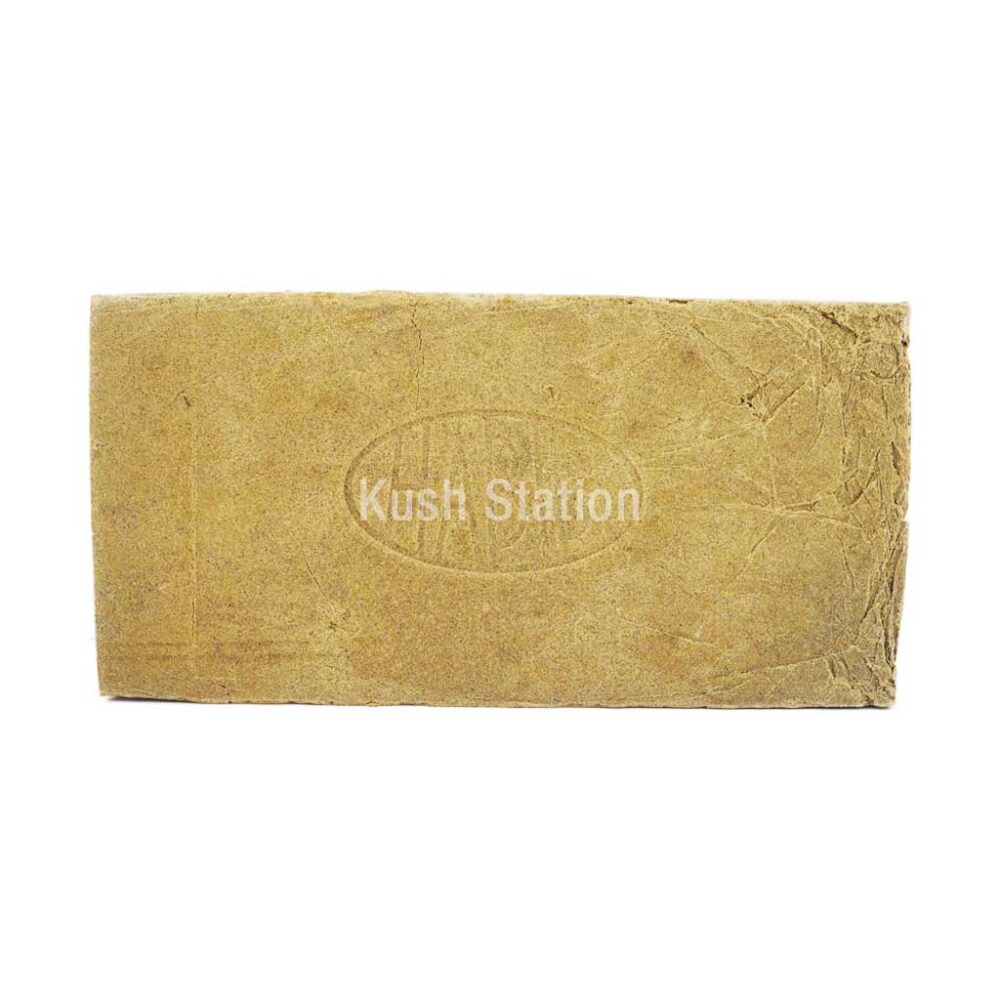
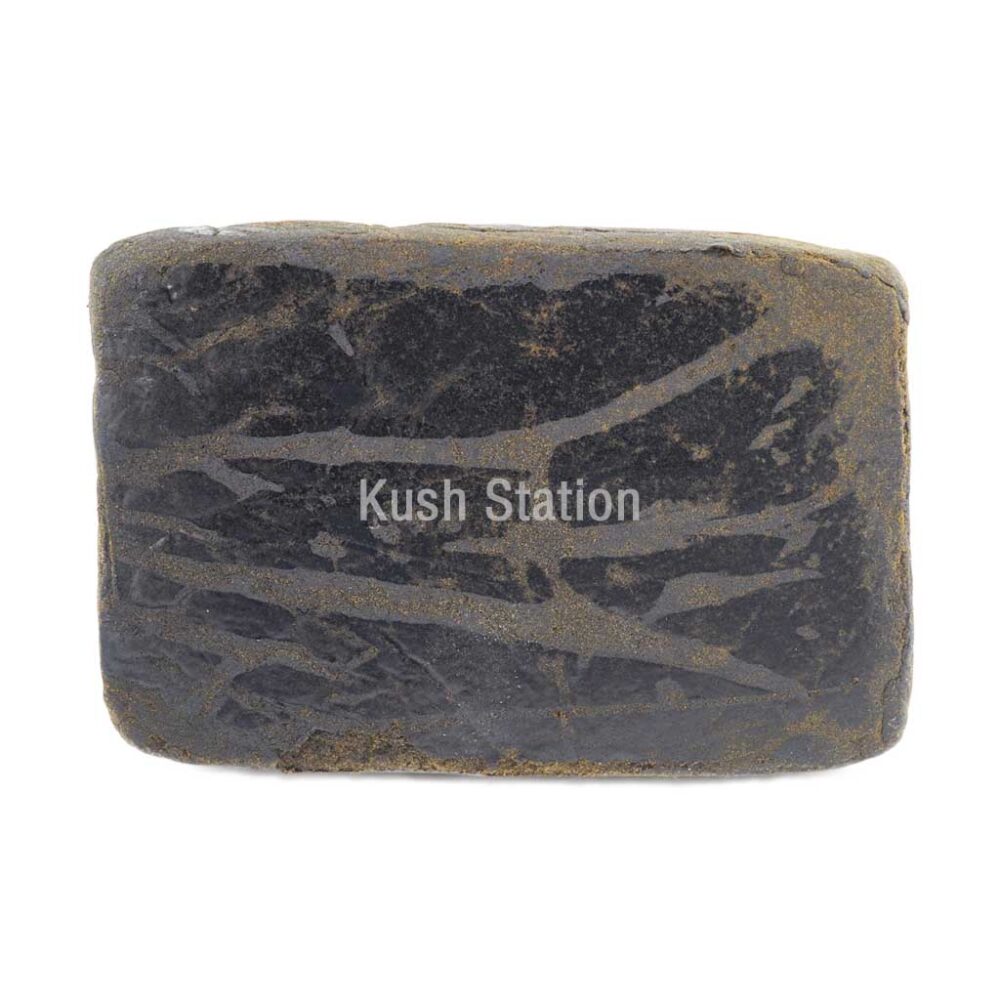
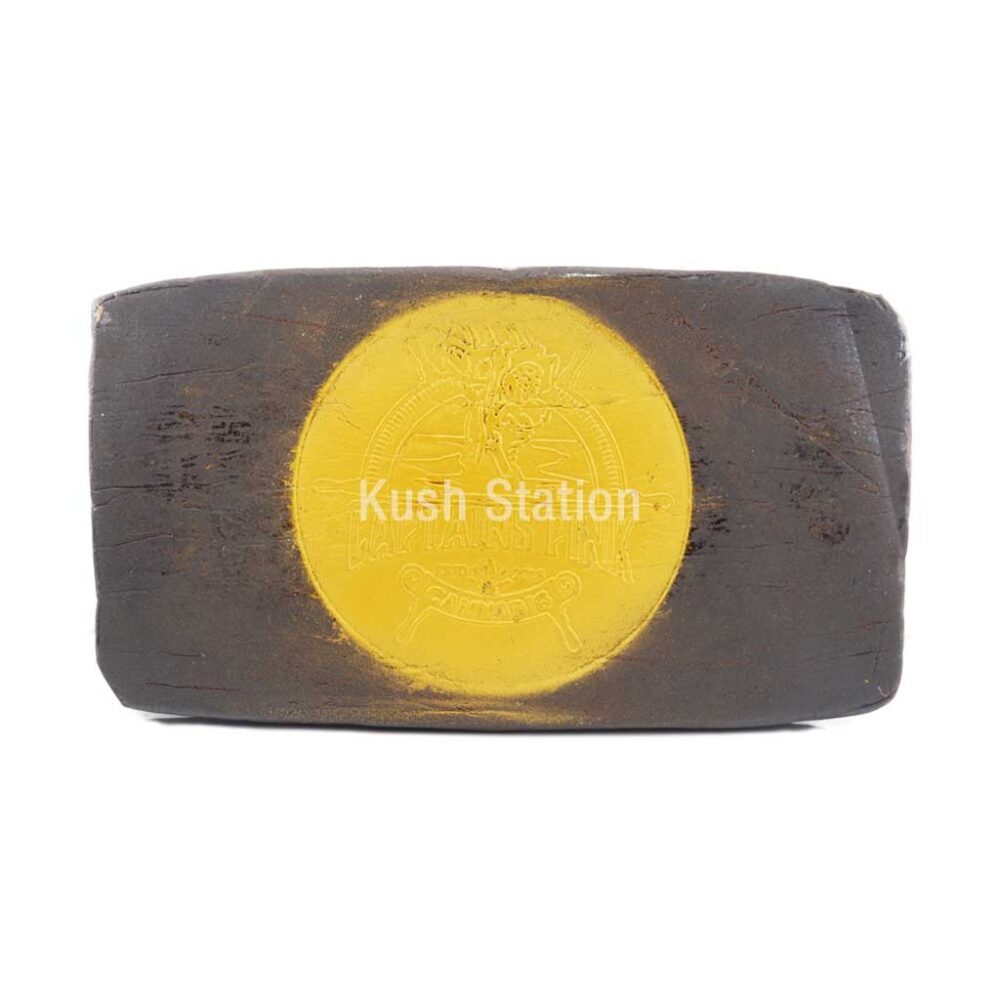
Hash has been around for centuries, but modern hash makers are borrowing techniques from the sauce world. High-quality hash, especially when made from fresh frozen trichomes, can have a terpene profile that rivals any live resin. The difference is in the texture. Hash is pressed and aged, while sauce is kept in a more fluid state. Both have their place, but if flavour is your priority, sauce or live resin usually wins.
Gear That Brings Out the Best in Sauce
Dabbing sauce is not the same as dabbing older concentrates. Because it is more volatile, you need equipment that lets you control temperature precisely. A standard quartz banger works, but you want to heat it, let it cool to the right temp, and then drop the sauce in. Too hot and you lose the terpenes in a puff of smoke. Too cold and the sauce pools without vaporizing.
Nectar collectors are another option, especially for people who travel or prefer a simple setup. The Torch brand heaters and Pulsar nectar collectors are common in this space. You heat the tip, dip it into the sauce, and inhale. The downside is that you have less control over temperature, so you might burn off the delicate compounds. A temperature-reading device like a Temp Tech or an infrared thermometer helps a lot.
I have also seen people use enails and smart rigs from companies like Honeycomb or Sauce Labs. These let you set a precise temperature and hold it there. If you are serious about getting the most out of a cannabis terpene sauce, a controlled heat source is worth the investment.
Reading the Sauce: What to Look For
When you are shopping for sauce, look for clarity and colour. A good sauce should be translucent, ranging from pale gold to deep amber depending on the starting material. Cloudiness can indicate that the terpenes have started to oxidize or that there is residual solvent. Smell is the biggest giveaway. If it does not smell strongly of the plant, the terpene profile is likely degraded.
Potency is another factor, but not in the way you might think. A sauce with a moderate THC percentage but a rich terpene profile can feel more complex and satisfying than a high-THC extract that tastes flat. The entourage effect - the synergy between cannabinoids and terpenes - plays a big role in how a concentrate makes you feel. A well-rounded sauce can offer a fuller experience than a stripped-down distillate.
Exploring Brands and Products
Several brands have built reputations on making high-quality sauce. BC Bud Depot is known for their live resin, which often has a sauce-like consistency. The Terpestduct puts out products that emphasize terpene preservation. Sauce Labs focuses on clean, solventless extracts. Wrekless is another name that comes up in conversations about flavour-first concentrates. These brands are worth exploring if you want to see what a great cannabis terpene sauce can taste like.
I have tried products from most of them, and the common thread is that they all start with good genetics. You cannot make great sauce from mediocre flower. The terpenes have to be there in the plant before you ever touch a press or a solvent. That is why some of the best sauces come from small-batch craft growers who care about the whole process, not just the final numbers.
Storing and Handling Your Sauce
Sauce is more delicate than other concentrates. Keep it in a cool, dark place. A fridge is fine for long-term storage. Avoid leaving it in a hot car or near a sunny window. The terpenes will evaporate and the texture will change. Over time, even in the fridge, the lighter terpenes will slowly dissipate. That is why fresh sauce is always better than aged sauce.
When you load a dab, use a clean tool and take only what you need. Sauce can get messy if you are not careful. A silicone mat or a piece of parchment paper helps keep your workspace clean. And always cap your jar between uses to keep out dust and air.
The rise of cannabis terpene sauce reflects a broader shift in how people approach cannabis. It is not just about getting high anymore. It is about the ritual, the flavour, and the craft. If you have not tried a good sauce yet, grab a jar of live resin or a solventless rosin from a trusted brand, set your rig to around 450 degrees, and take a slow dab. You might find that the flavour is just as important as the effect.
Corrections
Spot something wrong? Send it to the desk and it gets fixed in the open.